
De Gaulle had designed a coherent defense strategy with two strong conventional and nuclear legs, that was actually implemented by his successors in the next 20 years… till it was in effect dismantled and made incoherent in the 1990’s by successive presidents from Chirac to Macron.
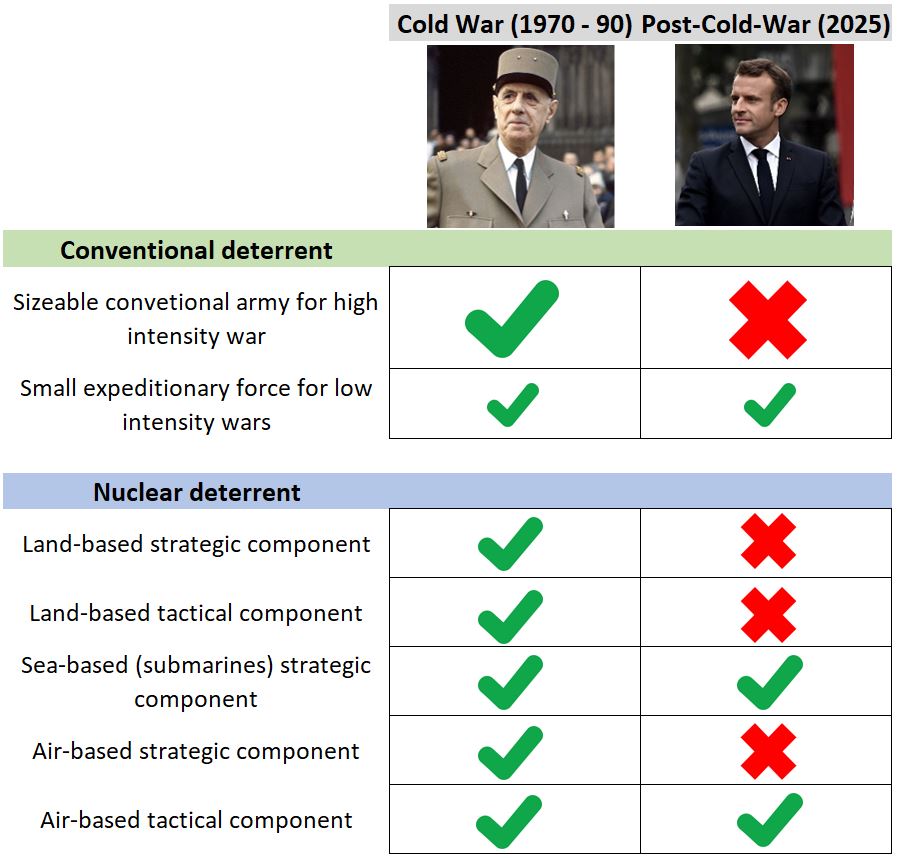
It is very popular in France those days to pride ourselves by repeating that “we were right when de Gaulle defined the principle of strategic autonomy, back in the 1960’s”.
Yes we were. Yet today we are wrong. Why?
First because from 1960’s to early 90’s there was a coherence between a strategy and the actual capabilities. Today’s reality is that whatever strategy people may have in mind, what matters is our actual capabilities, which are only a shadow of what they were during the cold war.
It is necessary to remind that the French defense strategy was built on two legs: a conventional and a nuclear one:
The conventional deterrent was the first army, based in Germany, comprising 10 armored or mechanized divisions for a total of close to 300,000 men.
It was completed by a small expeditionary force for low intensity conflicts in Africa and abroad in general.
The nuclear deterrent was made of 5 components:
1- Sea-based submarine strategic capability with 6 submarines (SNLE)
2- Land-based strategic capability: plateau Albion long range 18 missiles in fixed siloes
3- Land-based tactical capability with approx 40 units of the 120km range AMX 30 Pluton pre-positioned in Germany
4- Air-based strategic capability with appox. 40 Mirage IV long range bombers
5- Air-based tactical capability with smaller fighter jets like Jaguar and Mirage III
It is also important to keep in mind that despite the so called « strategic autonomy » France’s defense was not independent from the rest of Europe and NATO. It was far too small to play a role against USSR alone and was making sense only as part of the alliance with European and American allies.
And it really was a two leg strategy, with a strong coherence between conventional and nuclear deterrents.
The very fact that the French 1st army was permanently based in Germany was de facto meaning that German territory was part of France’s vital interests. Had the Russians attacked Germany they would have been forced to face hundred of thousands of French soldiers, making this confrontation one against French vital interests.
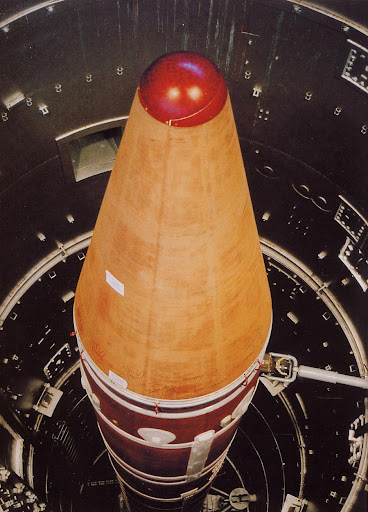
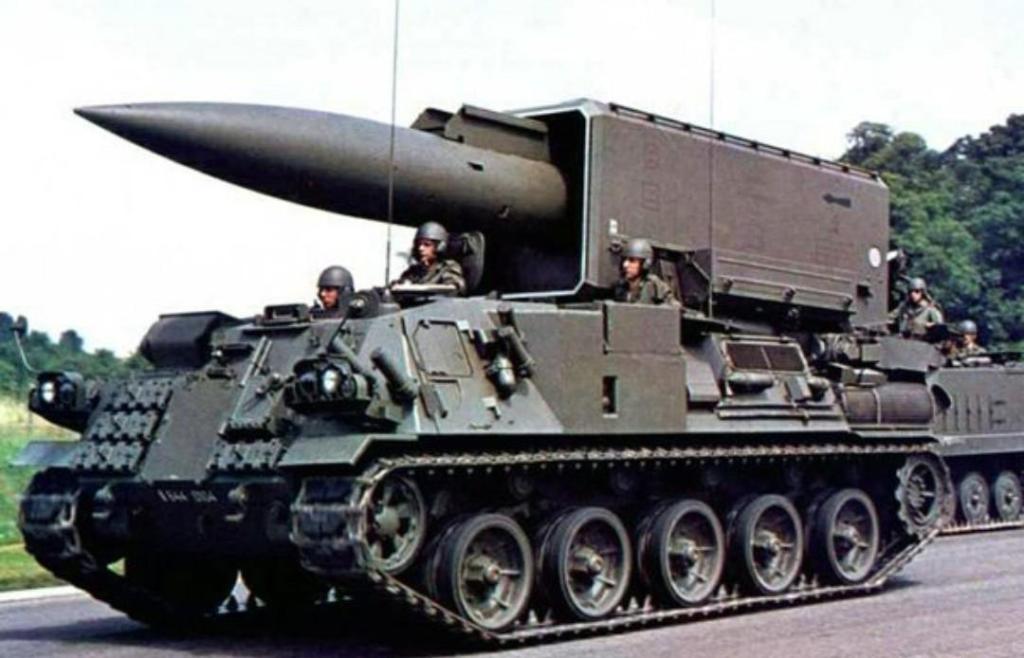
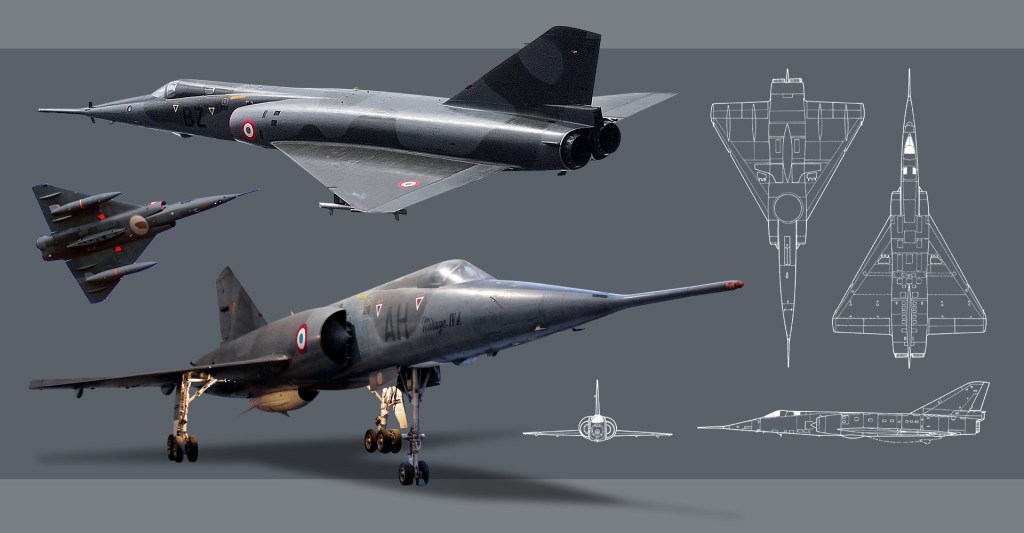
Today only 2 out of the 5 nuclear components remain:
– Tactical air-based component with Rafale
– Sea-based submarine strategic component
In total France has today approx. 250 war heads vs more than double during cold war and compared with 5000 ish for USA and Russia and 1000 for China, fast growing.
With only one SSBN in permanent patrol sadly French nuclear deterrent cannot be considered as 100% robust; and air component cannot compensate the risk of loss of the strategic one.
Another hot air discussion ongoing is about extending French nuclear umbrella to other European countries.
Guess why France created its own nuclear deterrent… because it was not trusting the American one! It was not sure that USA would risk total destruction for defending West Germany or France!
And this was making sense. This is actually the very principle of deterrence: Mutual Assured Destruction or MAD principle. You will never use your atomic bombs because if you do so I will use mine and we will both be totally destroyed.
In other words you will consider using it if the very vital interests of your country are threatened, not for supporting or defending remote allies.
USA had a tentative answer to this ambiguity when pretending to defend Europe which was the gradual response with controlled escalations. To simplify, USA would have considered using tactical nuclear weapons against Russians in Europe, on the base that it was assuming that USSR would also only have used tactical weapons or at least only against European targets. This was and still is a risky bet, hence the reason why de Gaulle (and me too now) would not put my hand in the fire that American nuclear umbrella has much more value that the one of the paper of the thousands of books elaborating on its virtues and weaknesses!
Why would you trust more a Le Pen France with only 250 war heads than a Trump’s America with 5000?
So if USA would not risk total destruction to defend Germany or France, leading France to create its own deterrent, why would France use its own to defend Poland or Sweden, without mentioning Baltic states. It won’t! In particular is the president at the Elysée palace is Marine Le Pen or similar.
So we should stop wasting time talking about nothing, doing nothing else than generating hot air and keeping a few journalists and pseudo experts busy!
In fact, if I pursue this reasoning and at risk of being shocking, I’d say that there is a case for… nuclear proliferation.
And what if some nuclear proliferation in Central & Northern Europe would help rather than hurt European defense?
If I was Poland or Sweden or the Nordics in general (my preferred European states as you will have understood), I would definitely consider building my own nuclear deterrent, coming on top of a solid conventional one.
Indeed can I trust Trump’s America? NO
Can I trust Macron’s or Le Pen’s or Bardella’s France to take the risk of transforming Paris in ashes for defending a few « acres of ice »… NO
Is UK « umbrella » more trustable? NO I’m afraid
Can I trust that a conventional deterrent only is sufficient to prevent Russia from invading some other « small » European countries? Maybe, maybe not. With only a few tenths of thousands soldiers that Europe could engage (including uncertain American contribution) against hundreds of thousands of the Russian army, this is very far from being certain.
The case for Germany is a bit less clear. We could indeed consider Germany being into the vital interest of France, as it was during the cold was with the difference that back then there was a real conventional army as first line of defense of the Eastern border. Yet this is far less clear and coherent as it was back 40 years ago.
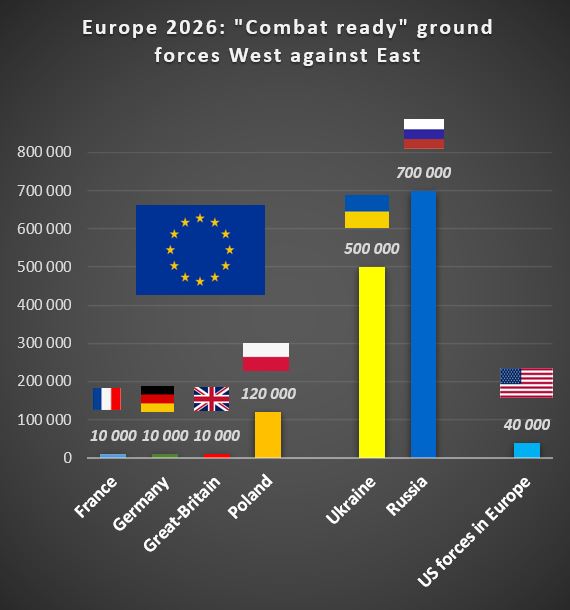
As far as France is concerned, it’s not because de Gaulle and cold war strategy was right and coherent that today’s one is, essentially due to a massive gap between ambitions and actual capabilities. At the end of the day when you dedicate 1.5 to 1.7% of your GDP on defense for 20 years with no serious plans to increase, you do not get the same results than when you were investing 3 to 4% consistently for several decades.
As far as « front line Europe » is concerned (Nordics, Poland, South-Eastern), if I was in charge I would serioulsy consider slaughtering the sacred cow of non-proliferation and prepare my own nuclear deterrent as the cheapest and most reliable way to secure my borders.
Return to main page: France, Europe Réagir
 France, Europe Réagir
Laisser un commentaire